Published Last updated
Every other asset class on this list is constrained by land, zoning or permits. This one is constrained by electricity, and that changes the shape of everything from the timeline to the tenant.
What the asset actually is
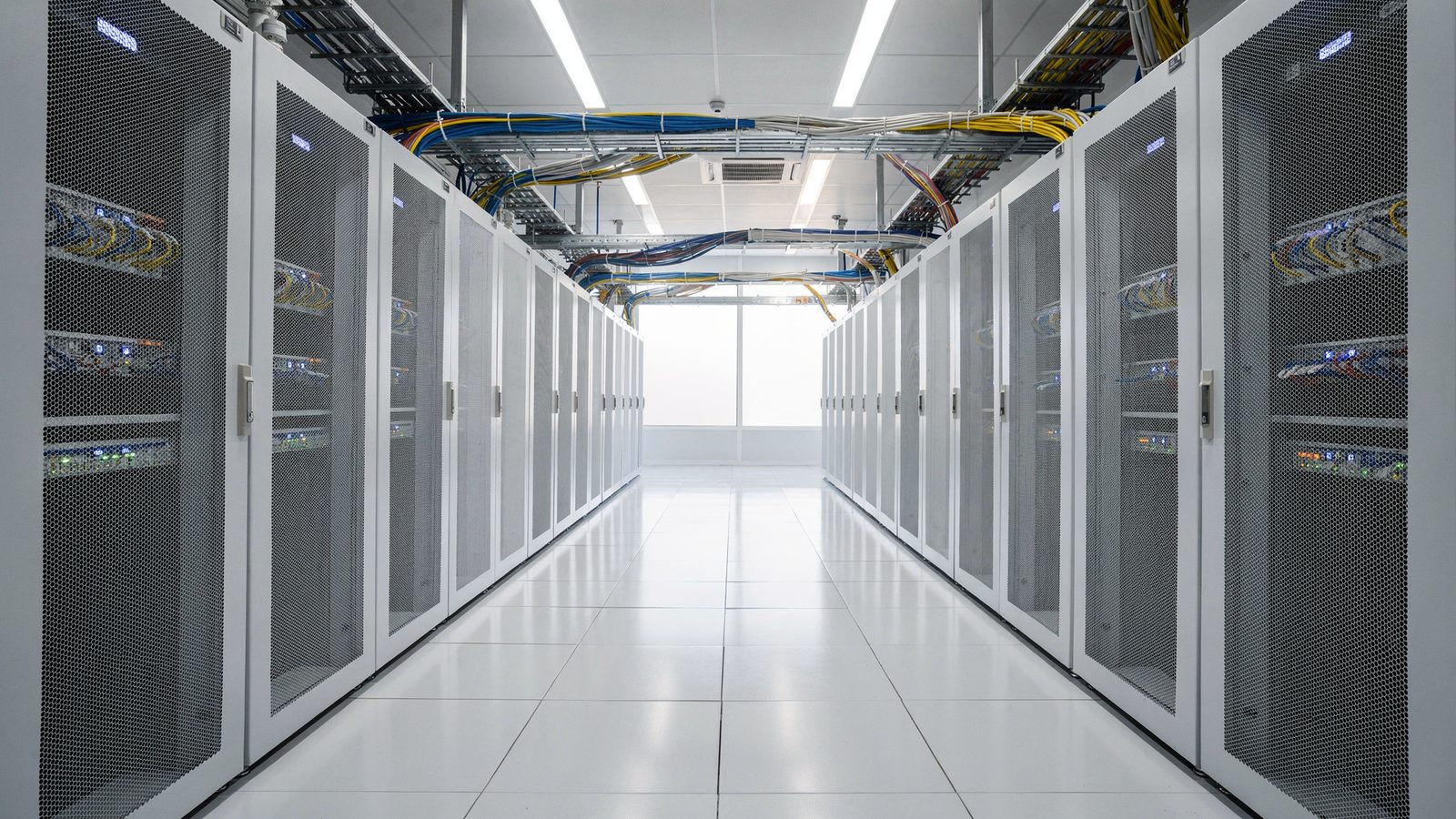
A data center is a building whose purpose is to deliver electricity to computing equipment and remove the heat that results. The real property is a shell. The value sits in the electrical service, the redundancy of that service, the cooling capacity, the connectivity, and the security and compliance posture around it.
That is why the unit of account is not square feet. It is megawatts of critical IT load. A pitch quoted in square feet is quoting the wrong measure, and it is a reasonable first test of whether the person presenting understands the asset.
Models differ. Hyperscale facilities are built for a single very large tenant, often to their specification. Colocation facilities lease space and power to many customers. Enterprise facilities are owned by the user. Each has a different lease structure, a different tenant profile, and a different risk of being left with a building nobody wants.
The capital intensity is unlike anything else on this list. Electrical infrastructure, generators, uninterruptible power supplies, switchgear and cooling plant are the majority of project cost. That equipment has a service life measured in years rather than decades, which matters for both maintenance capital and for how a building ages.
Power is the constraint, and it is checkable
The scarcity story in this class is real and it has a specific cause. Building a large data center requires a utility to deliver a very large, continuous electrical load. In constrained markets the wait for that capacity, and for an interconnection agreement to secure it, is measured in years.
That does two things. It creates a genuine barrier to new supply that capital alone cannot overcome, which supports pricing for facilities that already have power. And it makes the single most important diligence question about a development a question of energy, not real estate: is the power contracted, and when does it actually arrive?
The federal data is public. The Energy Information Administration publishes electricity data covering generation, capacity, consumption by sector and price by state. It will not tell you about a specific site, but it will tell you whether a market's generation and capacity picture is consistent with the story you are being told about it.
The questions for a specific project are concrete. How many megawatts are contracted, under what agreement, with which utility, and what is the delivery date? Is there an executed interconnection agreement or a position in a queue? What happens to the schedule and the return if power slips by a year? A sponsor who cannot answer those precisely does not control the critical path of their own project.
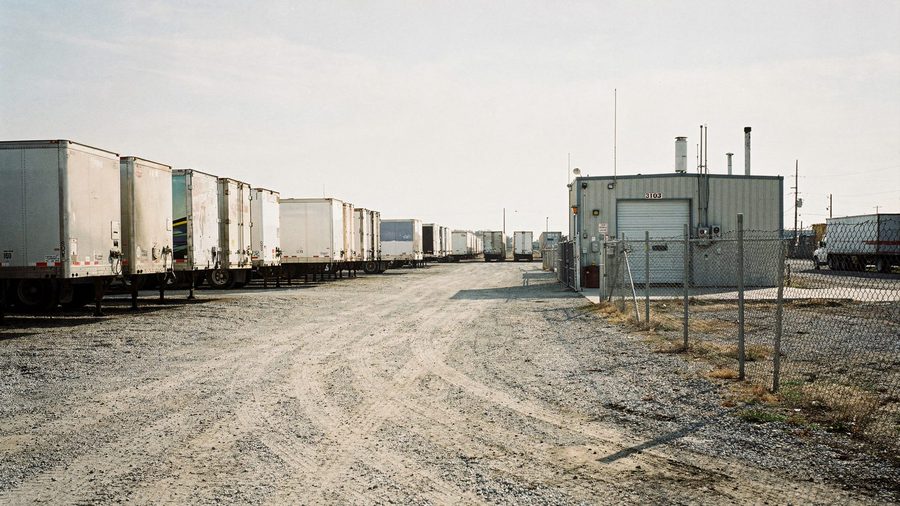
The structural parallel is with industrial outdoor storage: in both classes the scarce thing is a permission rather than a structure, and in both the moat and the exit risk are the same fact viewed from two sides.
The tenant question, which is a credit question
In apartments your income comes from hundreds of unrelated households, so no single default matters much. In a hyperscale data center it may come from one counterparty, and the entire investment is effectively a credit position on that tenant wrapped in a building.
That is not automatically bad. The counterparties in question are frequently among the largest and best capitalized companies in the world, and the leases are long, which is precisely why the asset finances well. It is a different risk, not necessarily a worse one, and it should be underwritten as credit rather than as real estate.
The questions follow from that. Who is the tenant, what is the lease term and what remains of it, what are the renewal options and at what rent, and what happens at expiry if they leave? Is the lease triple net, and if so which obligations sit with the tenant? Is there a parent guarantee?
Then the awkward one: how special-purpose is this building, and who is the second tenant if the first one goes? A facility built to one operator's specification, in a location chosen for that operator, may have a very short list of alternative users.
The risk that is specific to this class
Real estate risk is usually about markets. Here a material risk is technical.
Power density per rack and the cooling approaches needed to support it have moved substantially, and continue to. A facility designed and built for one density profile may be poorly suited to workloads a few years later, and retrofitting cooling and electrical distribution in a live facility is expensive and disruptive.
That means the useful economic life of the specialized equipment is shorter than the life of the shell, and the reinvestment requirement is continuous. An underwriting model that treats maintenance capital as a small percentage of revenue, in the way an apartment model reasonably might, is understating it.
There is also a locational version of obsolescence. Facilities chosen for cheap power in a market that later becomes constrained, or for proximity to a network topology that changes, can find themselves competitively disadvantaged in ways that have nothing to do with the building's condition.
Whether you can actually invest in this
This is the part most investor content about data centers avoids, and it matters more than any of the above for an individual reading this page.
Deal sizes in this class are large. Hyperscale development is a capital commitment that is measured in hundreds of millions and is generally executed by institutional platforms, specialist developers and the operators themselves. The equity is typically raised from institutional sources rather than from individual accredited investors.
The realistic routes for an individual are therefore indirect: a listed REIT with data center exposure, a fund with an allocation to the sector, or in some cases a private offering from a sponsor assembling smaller edge or colocation facilities. Each of those is a different product with a different fee load and a different liquidity profile, and the comparison between listed and private vehicles is set out in syndication versus REIT.
If you are offered direct participation in a data center development as an individual, the size of the offering relative to the size of the project is worth understanding precisely. Ask what the total project cost is, how much equity is being raised from investors like you, who is providing the rest, and where you sit relative to that capital.
Where Grey Oaks stands
We do not sponsor data centers. Grey Oaks buys and operates multifamily. There is no offering here, no track record in the class, and we would not claim expertise in it.
Our honest read is that the power constraint is genuine and is the best argument in the sector, that the tenant credit quality is genuinely high, and that both of those are widely understood and therefore priced. The risks that are less discussed are technical obsolescence, the concentration of credit in very few counterparties, and the simple question of whether an individual investor is being offered the asset or a fee-heavy wrapper around a small slice of it.
The general diligence method is how to vet a sponsor, and what a private placement is and is not is described by the SEC in its material on private placements.
What to ask a data center sponsor
- How many megawatts are contracted, with which utility, and what is the delivery date?
- Is there an executed interconnection agreement, or a position in a queue?
- What happens to the schedule and the return if power delivery slips by twelve months?
- Who is the tenant, what is the remaining lease term, and is there a parent guarantee?
- How special-purpose is the building, and who is the realistic second tenant?
- What power density and cooling approach is it designed for, and what would a retrofit cost?
- What is total project cost, how much equity is being raised from individuals, and who provides the rest?
What this is built on
- U.S. Energy Information Administration, Electricity data: generation, capacity, consumption and price
- Internal Revenue Service, Publication 946, How To Depreciate Property
- Internal Revenue Service, Publication 5653, Cost Segregation Audit Techniques Guide
- Internal Revenue Service, Publication 925, Passive Activity and At-Risk Rules
- Investor.gov, Private placements under Rule 506(b) and 506(c)
- U.S. Securities and Exchange Commission, EDGAR full text filing search
-
No question matches that. Try another word, or ask the one that is not on this list.

Ricardo Sanabria · Grey Oaks Multifamily
Answering
Follow-up questions people ask after reading this.
Why is power the constraint rather than land?
Because a large facility needs a utility to deliver a very large continuous load, and in constrained markets securing that capacity and an interconnection agreement takes years. Capital cannot shorten that queue, which is what makes it a genuine barrier to new supply.
Ricardo Sanabria, Grey Oaks Multifamily
What unit should a data center be quoted in?
Megawatts of critical IT load, not square feet. A pitch quoted primarily in square feet is using the wrong measure for the asset, which is a reasonable first test of the presenter.
Ricardo Sanabria, Grey Oaks Multifamily
Is single-tenant exposure a problem?
It is a different risk rather than automatically a worse one. The counterparties are often among the best capitalized companies in the world and the leases are long. But it should be underwritten as a credit position wrapped in a building, not as diversified real estate income.
Ricardo Sanabria, Grey Oaks Multifamily
What is the obsolescence risk?
Technical rather than market. Power density and cooling requirements have moved sharply, so a facility specified for one profile can be poorly suited to later workloads, and retrofitting electrical and cooling systems in a live building is expensive and disruptive.
Ricardo Sanabria, Grey Oaks Multifamily
Can an individual accredited investor actually buy this?
Rarely, directly. Deal sizes are large and equity is generally institutional. The realistic routes are a listed REIT with sector exposure, a fund allocation, or a private offering for smaller edge or colocation facilities.
Ricardo Sanabria, Grey Oaks Multifamily
How do I sanity check a market claim?
The Energy Information Administration publishes electricity generation, capacity, consumption and price data by state. It will not describe a specific site, but it will show whether a market story is consistent with the public energy picture.
Ricardo Sanabria, Grey Oaks Multifamily
What is the biggest question on a development?
When the power actually arrives. Ask for contracted megawatts, the utility, the interconnection status and the delivery date, and ask what a twelve-month slip does to the return.
Ricardo Sanabria, Grey Oaks Multifamily
Does Grey Oaks sponsor data centers?
No. Grey Oaks buys and operates multifamily. We have no offering and no track record in this class, and we would not claim expertise in it. This page is comparative education.
Ricardo Sanabria, Grey Oaks Multifamily
8 questions