Published Last updated
It is priced like a hotel, financed like real estate, and regulated like neither. The gap between those three is where the money and the trouble both sit.
What the business actually is
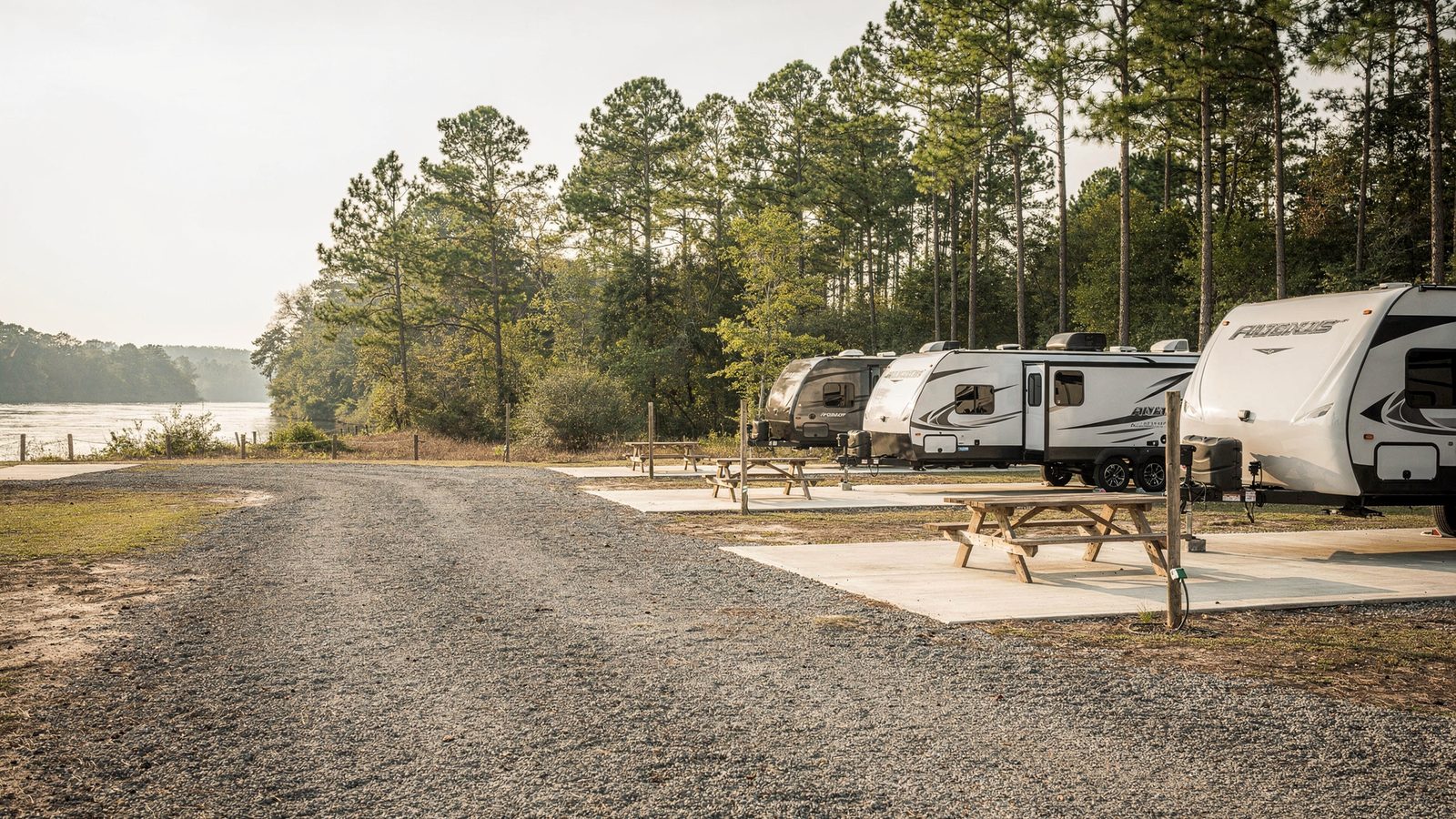
An RV park rents sites, and increasingly cabins and other accommodation, to guests who arrive with or without their own vehicle. Sites are differentiated by hookup: water, electric at various amperages, sewer, and premium attributes such as pull-through access, length, shade or a view. The pricing is nightly, weekly, monthly and seasonal, and it moves with demand.
Revenue is not only site rent. Well-run parks earn materially from a store, propane, firewood, laundry, cabin rental, storage, activities and events. Some of that is high margin and some of it is labor intensive. A park with a large ancillary line is running more of a business and less of a rent roll, and the model should say which.
The physical asset is mostly ground. Pads and utility pedestals, roads, a bathhouse, a store or office, a pool or clubhouse, and the water, sewer and electrical distribution to serve peak occupancy. The capital plan is roads and utilities rather than roofs and kitchens.
The operating reality is hospitality. Guests arrive and depart constantly, expect service, leave reviews, and choose on the basis of those reviews. Occupancy is won weekly, not annually. Anyone underwriting this as passive real estate has misread it.
The guest-to-tenant line, which moves at every state border
This is the risk that distinguishes the class legally, and it is the one most often absent from an offering deck.
A transient guest has no tenancy. If they do not pay or will not leave, the operator's remedy is generally removal as a guest, which is fast. A tenant has statutory rights, and removing one requires the eviction process, which is slow and expensive. The line between the two is drawn by duration, and every state draws it somewhere different.
North Carolina legislation defines transient occupancy as "the rental of an accommodation by an inn, hotel, motel, recreational vehicle park, campground, or similar lodging to the same guest or occupant for fewer than 90 consecutive days". Oregon's vacation occupant category requires that the person rents for vacation purposes, has a principal residence elsewhere, and does not occupy for more than forty-five days. Florida applies its residential landlord and tenant act to a guest occupying an RV in a park beyond six months. California's recreational vehicle park occupancy framework turns on whether the person has occupied a lot for thirty days or less.
Four states, four different thresholds, for the same business. A park pursuing long-stay or workforce revenue, which is often the highest-margin segment, is operating close to a line whose position it must know precisely. Crossing it does not merely change paperwork: it converts a removable guest into a tenant with eviction rights, in a business whose entire model assumes sites turn.
The question for any operator is direct: what proportion of your revenue comes from stays approaching the statutory threshold in this state, what is that threshold, and what is your written policy for managing it? An operator without a crisp answer is running an unpriced legal exposure.
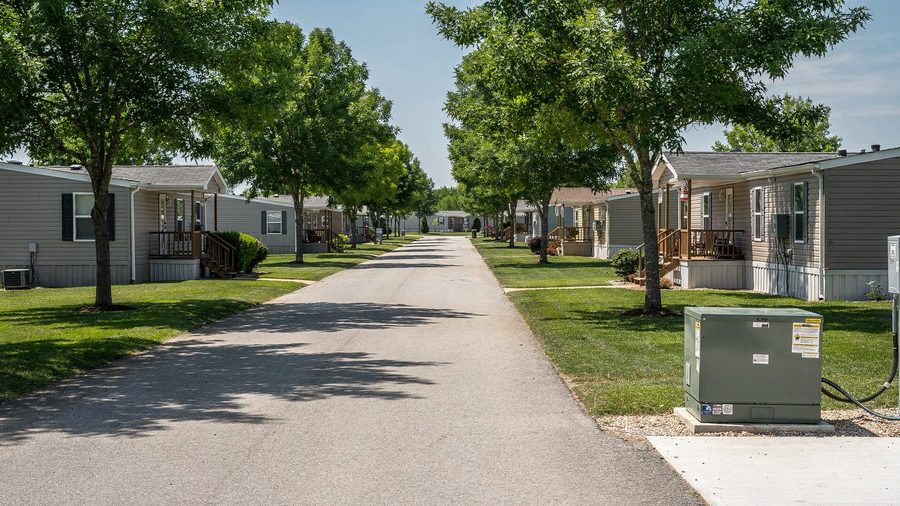
It is worth reading this against manufactured housing communities, where the question runs the other way. There the resident owns the home, stays for years, and where the community is agency financed the loan itself imposes tenant site lease protections.
Seasonality is not a detail, it is the shape of the asset
Very few RV parks earn evenly across a year. A northern park may be closed or near empty for months. A southern park may earn the bulk of its year in a winter season. A destination park may live and die by a summer.
That has three consequences a model must address. Fixed costs continue through the off season while revenue does not, so the working capital requirement is real and a park can be cash negative for a quarter by design. Staffing must flex, which is an operational problem in tight labor markets and often means seasonal or on-site staff. And a single bad season, whether from weather, a fuel price spike or an event cancellation, hits a disproportionate share of annual revenue.
Weather exposure deserves separate attention. These are outdoor assets, frequently near water or in scenic areas, and they are exposed to hurricanes, flooding, wildfire and freeze events. Insurance in exposed markets has repriced sharply, and a park's insurance line is worth checking as a current quote rather than an assumption.
Ask for monthly, not annual, revenue and occupancy for at least three years. An annual average conceals precisely the risk you are being asked to take.
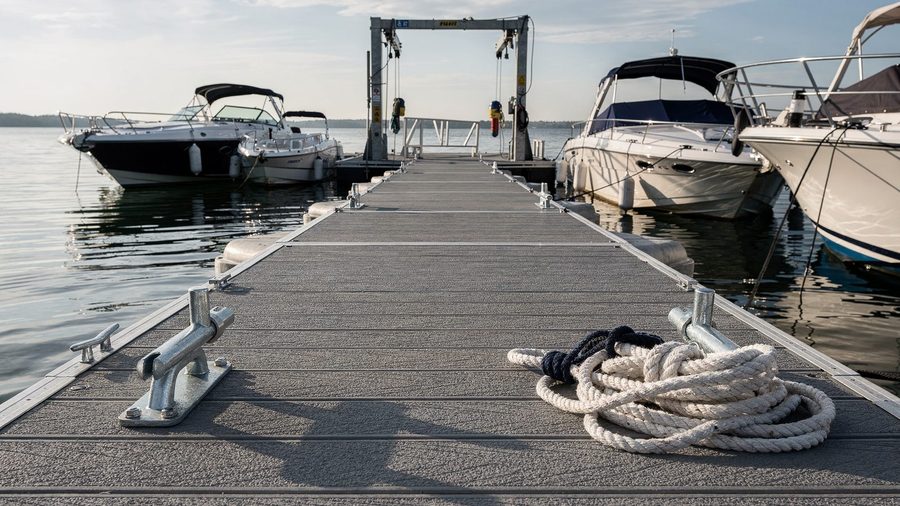
Seasonality of this shape is not unique to RV parks. Marinas run the same calendar with the same fixed cost base, and an investor comparing the two is largely comparing how each one handles the months when the revenue stops.
Judging the site, which is most of the answer
Parks are not interchangeable and the differences are physical. Four attributes do most of the work in separating a park that prices well from one that discounts.
Why anyone is there. A destination park near a national park, a lake, a coast or an event venue draws demand on its own. A transient park near an interstate draws demand from traffic passing by. A workforce park near a project draws demand that ends when the project does. Those are three different businesses with three different durabilities, and the third one has an expiry date the model should name.
Site mix and dimensions. Modern rigs are longer and draw more power than the fleet many parks were built for. Pull-through sites at adequate length with full hookups command premium rates; short back-in sites with partial hookups do not. The proportion of sites that can actually accommodate a large modern rig is a better predictor of revenue than the raw site count.
Utility capacity. Amperage at the pedestal, water pressure at peak occupancy, and sewer capacity determine what the park can sell. Upgrading electrical distribution across a whole park is a substantial capital item and it is frequently the real cost hiding inside a value-add plan.
Competition and barriers. Unlike marinas, RV parks face no federal permitting barrier. The constraint is local zoning and land cost, both of which vary enormously. Ask what a competing park would cost to build nearby and whether the zoning would allow it, because that answer is the actual moat.
The composite question worth asking is simple: if this park raised rates fifteen percent tomorrow, where would its guests go? A park with a confident answer has pricing power. A park without one is a commodity with a nice sign.
A favorable depreciation profile, and a hospitality question
Like manufactured housing communities, an RV park's improvements are heavily weighted toward land improvements: pads, roads, utility distribution, lighting, fencing and landscaping. Land improvements fall into a fifteen-year recovery class under the framework in IRS Publication 946, rather than the 27.5-year residential or 39-year nonresidential building classes, so a properly prepared cost segregation study can move a large share of basis into short-life property.
The IRS explains what a defensible study looks like in the Cost Segregation Audit Techniques Guide, and bonus depreciation on the reclassified property runs as IRS Notice 2026-11 describes, at a permanent 100 percent for qualified property acquired and placed in service after 19 January 2025.
There is a second tax question that is specific to this class and worth raising with your own adviser rather than the sponsor. Where an operation provides substantial services to guests, in the way a hotel does, the character of the income and its treatment under the passive activity rules can differ from ordinary rental real estate. The passive rules are set out in IRS Publication 925, and how they apply to a park that is closer to lodging than to leasing is a question for a CPA looking at the specific operation.
Do not take a general answer to that question from anyone selling the deal.
What actually goes wrong
The tenancy line. Long-stay revenue is attractive and it walks the park toward a statutory threshold that converts guests into tenants. This is the class-specific failure and it is manageable only if the operator knows the number.
A lost season. Weather, a fuel spike, a closed road or a canceled event can remove a large share of annual revenue in a business whose costs do not flex as fast.
Insurance. Outdoor assets in exposed geographies have seen sharp renewal increases. A model carrying last year's premium understates expenses.
Operating intensity. This is hospitality. Reviews drive occupancy, staffing is seasonal, and the difference between a well-run and a poorly run park shows up within a season rather than over a hold.
Utility capacity. Upgrading electrical service to support modern rigs at higher amperage across every pad is a real capital item, and a park that cannot serve current vehicles competes for a shrinking segment.
Where Grey Oaks stands
We do not sponsor RV parks or campgrounds. Grey Oaks buys and operates multifamily. There is no offering here and no track record in the class.
Our honest read is that the depreciation profile is attractive and the pricing flexibility is real, but the class is further from passive real estate than almost anything else on this list. It is an operating business with seasonal cash flow, hospitality service expectations and a legal boundary that moves between states. Those are not reasons to avoid it. They are reasons to weight the operator far more heavily than the property.
The general method for that is how to vet a sponsor, prior offerings are searchable through Form D filings on EDGAR, and the illiquidity of whatever interest you buy is governed by Rule 144 and the partnership agreement, as set out in liquidity and hold periods.
What to ask a park operator
- What is the guest-to-tenant threshold in this state, and what share of revenue comes from stays approaching it?
- What is your written policy for managing long stays, and has a guest ever asserted tenancy?
- May I see monthly revenue and occupancy for the last three years rather than annual figures?
- What is the current insurance premium, when does it renew, and what did the last two renewals do?
- What electrical service is available at each pad, and what would a full upgrade cost?
- What share of revenue is site rent and what share is store, cabins, activities and other services?
- Is the park on municipal or private water and sewer, and what is the permit and condition status?
What this is built on
- UNC School of Government, Transient occupancy and the landlord-tenant analysis in summary ejectment
- Internal Revenue Service, Publication 946, How To Depreciate Property
- Internal Revenue Service, Publication 5653, Cost Segregation Audit Techniques Guide
- Internal Revenue Service, Notice 2026-11, additional first year depreciation under section 168(k)
- Internal Revenue Service, Publication 925, Passive Activity and At-Risk Rules
- U.S. Securities and Exchange Commission, Rule 144, selling restricted and control securities
- Investor.gov, Private placements under Rule 506(b) and 506(c)
- U.S. Securities and Exchange Commission, EDGAR full text filing search
-
No question matches that. Try another word, or ask the one that is not on this list.

Ricardo Sanabria · Grey Oaks Multifamily
Answering
Follow-up questions people ask after reading this.
When does a guest become a tenant?
It depends entirely on the state. North Carolina defines transient occupancy as fewer than 90 consecutive days. Oregon caps a vacation occupant at 45 days with a principal residence elsewhere. Florida applies its residential landlord tenant act beyond six months. California turns on whether a person has occupied a lot for 30 days or less.
Ricardo Sanabria, Grey Oaks Multifamily
Why does that matter so much?
Because it changes the remedy. A guest can be removed quickly. A tenant has statutory rights and must be evicted through the courts, which is slow and costly, in a business whose model assumes sites turn frequently.
Ricardo Sanabria, Grey Oaks Multifamily
Is an RV park passive real estate?
No. It is a hospitality operation with nightly pricing, service expectations, review-driven demand and seasonal staffing. It is financed like real estate but it is run like lodging, and the operator matters more than in almost any other class here.
Ricardo Sanabria, Grey Oaks Multifamily
How seasonal is the revenue?
Very, in most parks. A park can earn the bulk of its year in a few months while carrying fixed costs throughout, which creates a genuine working capital requirement. Always ask for monthly figures rather than an annual average.
Ricardo Sanabria, Grey Oaks Multifamily
What is the tax profile like?
Generally favorable, because pads, roads, utility distribution and site work are land improvements in a fifteen-year recovery class rather than long-life building. A cost segregation study can move a large share of basis into short-life property.
Ricardo Sanabria, Grey Oaks Multifamily
What about the passive activity rules?
Where substantial services are provided in the way a hotel provides them, the character of the income and its treatment under the passive activity rules can differ from ordinary rental real estate. That is a question for your own CPA on the specific operation, not for the sponsor.
Ricardo Sanabria, Grey Oaks Multifamily
What is the biggest physical capital item?
Usually electrical capacity and underground utilities. Modern rigs draw more power, and a park that cannot serve them at every pad is competing for a narrowing segment of the market.
Ricardo Sanabria, Grey Oaks Multifamily
Does Grey Oaks sponsor RV parks?
No. Grey Oaks buys and operates multifamily. We have no offering and no track record in this class. This page is comparative education.
Ricardo Sanabria, Grey Oaks Multifamily
8 questions