Alternative real estate asset classes differ from apartments in structure, not only in return. Four things separate them: what the investor actually owns, the depreciation life of what was bought, what limits competing supply, and the remedy when someone stops paying. Self-storage is nonresidential property let month to month, where a statutory lien lets an operator sell the goods instead of running an eviction. Manufactured housing communities rent land to residents who own their homes. Marinas often depend on a state lease of submerged land the operator does not own. Grey Oaks sponsors multifamily only.
Alternative real estate asset classesWhat actually differs, class by class.
Accredited investors are shown storage, parks, marinas and a dozen other classes alongside apartments, usually with the differences described as flavor. They are not flavor. They are different legal structures, different tax lives, different remedies against non-payment and different ways of going wrong.
Published September 3, 2026 · Last reviewed September 3, 2026
The six classes covered here
Each page runs to roughly 2,500 words and is built on primary sources: the statute, the agency rule or the federal data series, linked in the text rather than summarized from a broker's market report.
-
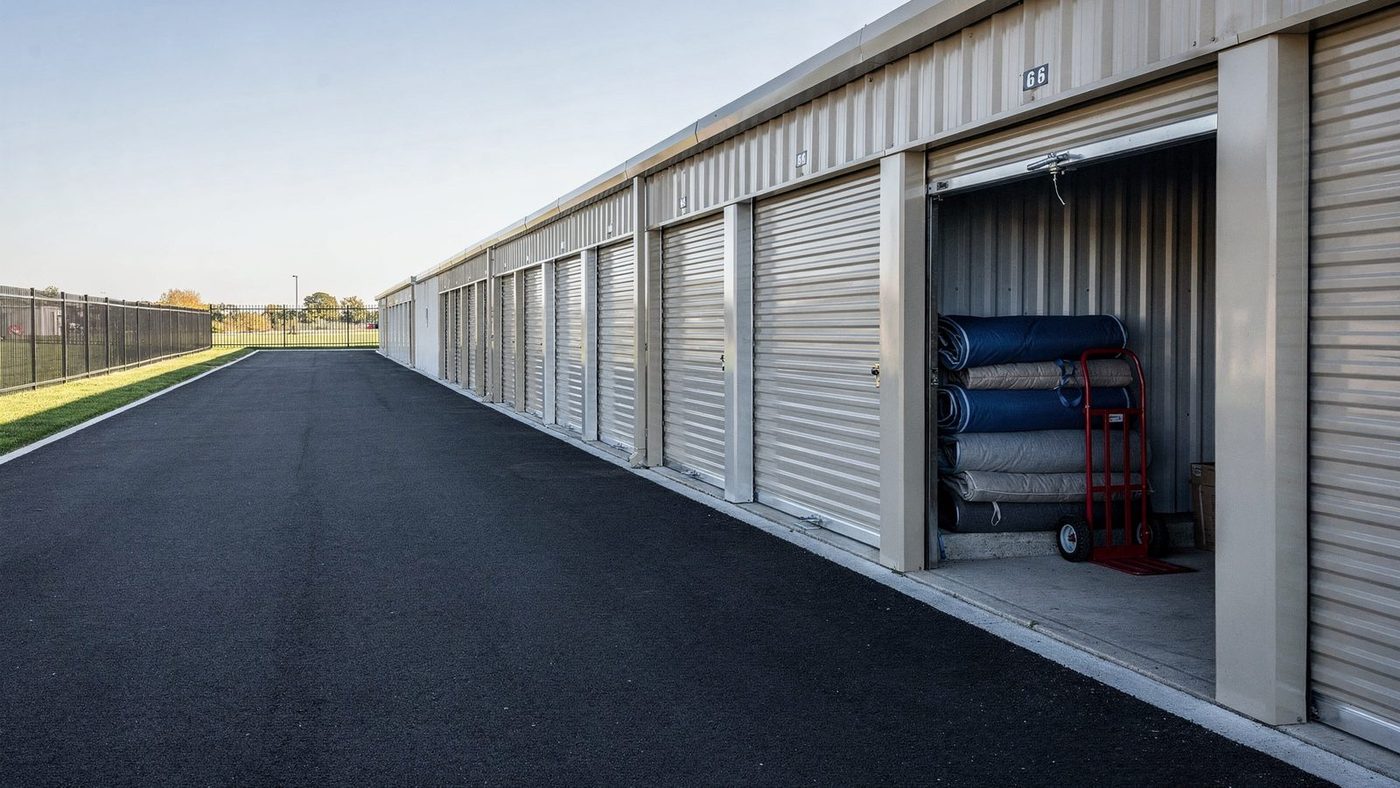 Self-storage
Month-to-month leases, a lien instead of an eviction, and a supply pipeline that can arrive in a year.
You ownBuildings and the land under them
Depreciation39 years, nonresidential
Operating intensityModerate
Read the self-storage overview→
Self-storage
Month-to-month leases, a lien instead of an eviction, and a supply pipeline that can arrive in a year.
You ownBuildings and the land under them
Depreciation39 years, nonresidential
Operating intensityModerate
Read the self-storage overview→
-
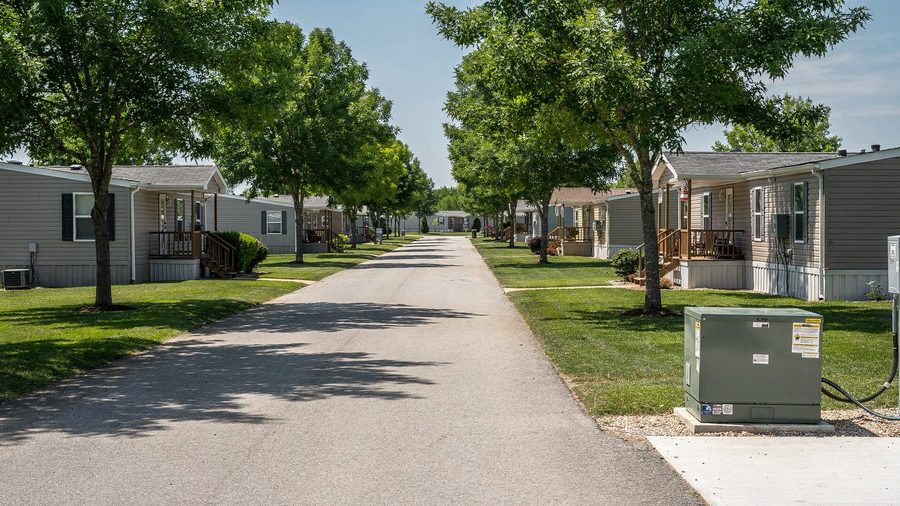 Mobile home parks
You own the land, residents own the homes, and federal tenant protections apply where the loan is agency.
You ownLand, roads and utilities. Residents own the homes
Depreciation15 years, mostly land improvements
Operating intensityLow
Read the mobile home parks overview→
Mobile home parks
You own the land, residents own the homes, and federal tenant protections apply where the loan is agency.
You ownLand, roads and utilities. Residents own the homes
Depreciation15 years, mostly land improvements
Operating intensityLow
Read the mobile home parks overview→
-
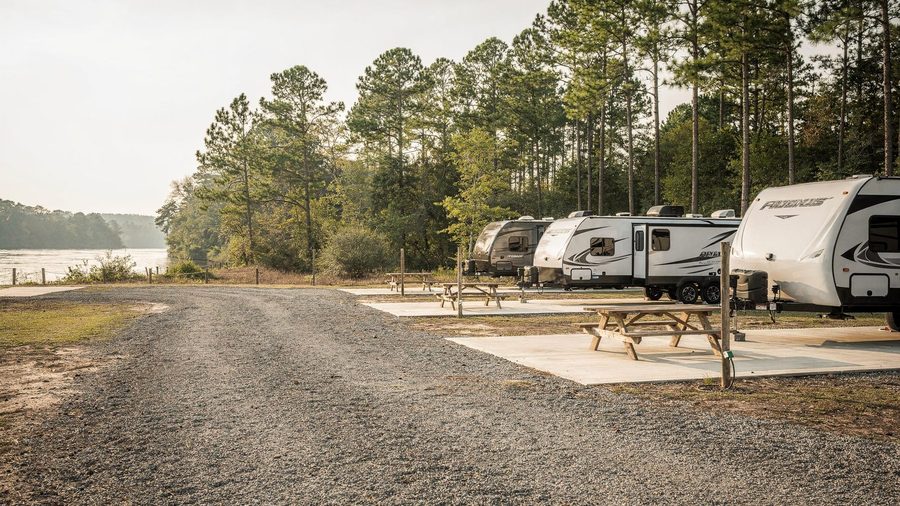 RV parks and campgrounds
Nightly pricing and seasonal demand, with a guest-to-tenant threshold that changes at every state line.
You ownLand, pads and hookups. Guests bring the vehicle
Depreciation15 years, mostly land improvements
Operating intensityHigh
Read the rv parks and campgrounds overview→
RV parks and campgrounds
Nightly pricing and seasonal demand, with a guest-to-tenant threshold that changes at every state line.
You ownLand, pads and hookups. Guests bring the vehicle
Depreciation15 years, mostly land improvements
Operating intensityHigh
Read the rv parks and campgrounds overview→
-
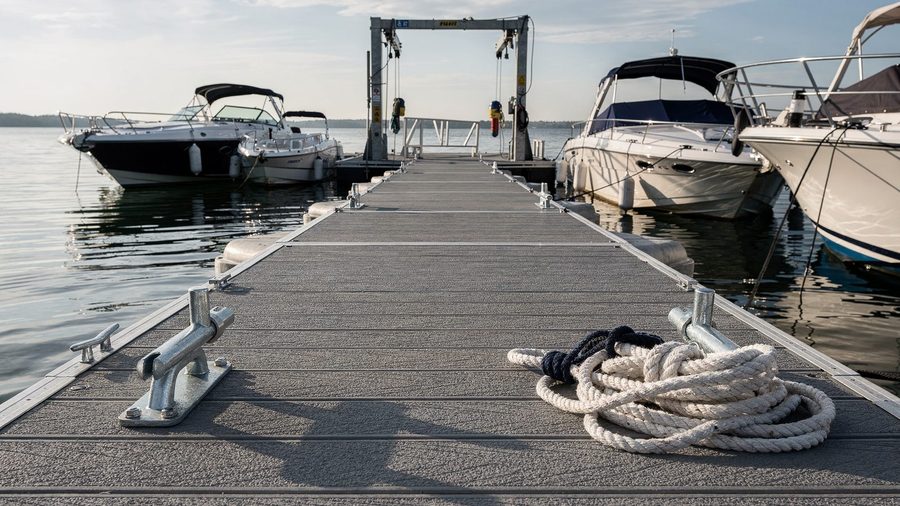 Marinas
Supply constrained by federal permit and state sovereign land, which protects you and binds you equally.
You ownUpland, and docks often sitting on leased state water
DepreciationMixed. Docks and site work are shorter lived
Operating intensityHigh
Read the marinas overview→
Marinas
Supply constrained by federal permit and state sovereign land, which protects you and binds you equally.
You ownUpland, and docks often sitting on leased state water
DepreciationMixed. Docks and site work are shorter lived
Operating intensityHigh
Read the marinas overview→
-
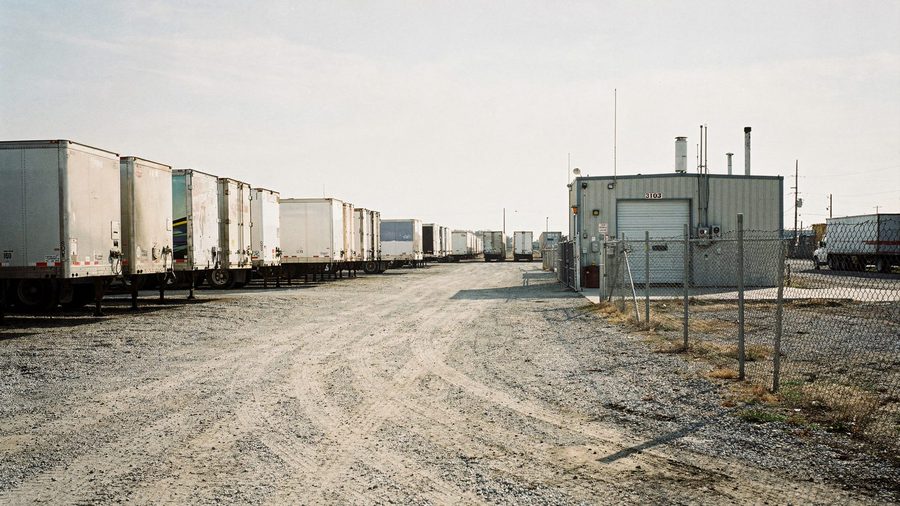 Industrial outdoor storage
Land and an entitlement most jurisdictions no longer issue, with almost no building.
You ownLand and a zoning entitlement. The building is incidental
DepreciationWeak. Land is never depreciable
Operating intensityLow
Read the industrial outdoor storage overview→
Industrial outdoor storage
Land and an entitlement most jurisdictions no longer issue, with almost no building.
You ownLand and a zoning entitlement. The building is incidental
DepreciationWeak. Land is never depreciable
Operating intensityLow
Read the industrial outdoor storage overview→
-
 Data centers
Power is the scarce input, leases are long, and the check size puts most of it out of individual reach.
You ownA shell whose value is power, cooling and connectivity
DepreciationShort lived plant inside a long lived shell
Operating intensityHigh
Read the data centers overview→
Data centers
Power is the scarce input, leases are long, and the check size puts most of it out of individual reach.
You ownA shell whose value is power, cooling and connectivity
DepreciationShort lived plant inside a long lived shell
Operating intensityHigh
Read the data centers overview→
The four questions that separate one class from another
Ask a sponsor why their class is attractive and you will usually get a demand story: people are downsizing, boat ownership is up, freight needs somewhere to park. Demand stories are the easiest part of any deck to write and the least useful part to compare, because every class has one. Four structural questions do more work, and the answers are checkable.
- What does the money actually buy? Land, a building, an entitlement, or a lease of something the seller does not own.
- Over what life does it depreciate? Land is never depreciable. Improvements to land run 15 years. Nonresidential buildings run 39.1
- What stops a competitor building next door? Zoning, a federal permit, a utility interconnection queue, or nothing at all.
- What happens when someone stops paying? An eviction, a lien sale, a repossession, or a credit loss against a single large counterparty.
The table below answers all four for every class on this page. It is the comparison the individual pages expand on, and it is the reason those pages are separate rather than one list: the answers are not close to each other.
| Class | What you own | Depreciation life | What limits new supply | The structural distinctive |
|---|---|---|---|---|
| Self-storage | Buildings and the land under them | 39 years, nonresidential | Little. Cheap and quick to build where zoning allows | A statutory lien lets an operator sell the goods instead of evicting |
| Mobile home parks | Land, roads and utilities. Residents own the homes | 15 years, mostly land improvements | Zoning, and communities are rarely newly entitled | Federal tenant site lease protections where agency financed |
| RV parks and campgrounds | Land, pads and hookups. Guests bring the vehicle | 15 years, mostly land improvements | Local zoning and land cost only | A guest becomes a tenant at a threshold that changes at every state line |
| Marinas | Upland, and docks often sitting on leased state water | Mixed. Docks and site work are shorter lived | Federal permits under the Rivers and Harbors Act and the Clean Water Act | You may not own the submerged land your revenue depends on |
| Industrial outdoor storage | Land and a zoning entitlement. The building is incidental | Weak. Land is never depreciable | Municipalities have largely stopped permitting outdoor storage | A legal nonconforming use can be extinguished by a fire |
| Data centers | A shell whose value is power, cooling and connectivity | Short lived plant inside a long lived shell | Utility capacity and interconnection queues measured in years | Income is a credit position on very few counterparties |
What you own is often not the building
In an apartment deal the answer is simple: the partnership owns land and a building, and the building is most of the value. Move one class sideways and that stops being true in ways that change the risk without changing the pitch.
A manufactured housing community owns the land, the roads and the utility infrastructure. The residents own their homes. That single fact reorders everything downstream, because a resident who owns a structure that costs several thousand dollars to move is a very different counterparty from one who owns a lease. Where the community is financed through Fannie Mae, the loan carries required tenant site lease protections, which include a one-year renewable lease term and thirty-day written notice of rent increases.3 Those protections are a condition of the debt, not a state landlord-tenant statute, so they travel with the financing rather than with the property.
A marina is stranger still. The upland may be owned outright while the docks sit over submerged land the state owns and leases, and any work in navigable water requires federal authorization under Section 10 of the Rivers and Harbors Act.4 An investor can hold clean title to the parcel and still hold a revocable interest in the surface that generates the slip revenue. Industrial outdoor storage inverts the usual relationship a different way: the building is close to incidental and the value sits in a zoning entitlement that a municipality has often stopped issuing.
Depreciation life is the difference nobody leads with
Two properties producing identical cash flow can produce very different after-tax outcomes purely because of what the improvements are. The IRS schedule is not ambiguous about this. Residential rental property recovers over 27.5 years2 and nonresidential real property over 39.1 Fifteen-year property covers, in the IRS's own words, "certain improvements made directly to land or added to it (such as shrubbery, fences, roads, sidewalks, and bridges)".1
Read that against the classes on this page. A manufactured housing community and an RV park are mostly roads, pads, utility runs and fencing, which is to say mostly the 15-year category. A self-storage facility is mostly building, which is the 39-year category. The same publication lists "swimming pools, paved parking areas, wharves, docks, bridges, and fences" as land improvements while stating that land itself does not qualify.1 For a marina that is the whole argument in one sentence: the docks are depreciable, the water is not.
This describes the general schedule, not any specific deal. Component lives are decided by a cost segregation study on the actual property and by facts a website cannot see. Nothing here is tax advice, and the depreciation treatment of a particular acquisition is a question for the CPA who signs the return. Our note on what a CPA asks for before a cost segregation study covers the practical version.
The remedy when a payment stops is not the same remedy
Underwriting treats delinquency as a percentage. The mechanics behind that percentage differ enough between classes to change how quickly a problem clears and what it costs.
Self-storage is the clearest example. Rather than evicting a tenant, an operator generally enforces a statutory lien against the stored goods. Virginia's Self-Service Storage Act sets out that structure in state code, and comparable lien acts exist elsewhere, including Iowa's Self-Service Storage Facility Lien Act.56 The unit is recovered in weeks rather than months, but the procedural requirements are strict and an operator who skips a notice step is exposed rather than protected. An apartment in the same situation runs an eviction through the courts on the court's timetable.
RV parks sit at the awkward end of this. Whether a long-staying guest is a transient occupant or a tenant with eviction rights is a threshold set at the state line, and it moves. North Carolina's statutory definition of transient occupancy is "limited to fewer than 90 consecutive days", which leaves the older common-law question of when a guest becomes a tenant live in every stay that falls outside it.7 A data center inverts the problem entirely: there is no eviction question, because the income is a credit position on a small number of large counterparties, and the risk is concentration rather than process.
Supply is the part the deck usually skips
A demand story tells you where rent could go. What limits supply tells you whether it stays there. This is the axis on which the six classes diverge most sharply, and it cuts against the classes that market themselves hardest.
Self-storage is comparatively cheap and fast to build where zoning allows it, which is why strong submarkets attract competition quickly. Manufactured housing communities are rarely newly entitled anywhere. Industrial outdoor storage is constrained because municipalities have largely stopped permitting the use, which is genuine scarcity and also the reason a legal nonconforming use can be extinguished by an event as ordinary as a fire. Data centers are limited by utility capacity and interconnection queues measured in years rather than months, which is a constraint you can read directly in federal generation and capacity data.8
None of that makes a constrained class a better investment. A constraint that protects the owner also caps the exit: the buyer pool for a marina with a state submerged land lease is smaller than the buyer pool for a suburban apartment building, and that shows up in price when it is time to sell rather than when it is time to buy.
How to use these pages
These are comparison pages, not recommendations, and they are most useful read against a specific offering already in front of you. Three suggestions.
- Read the structural distinctive first. It is the column in the table above that most often explains a deal that behaved differently from its projection.
- Take the questions to the sponsor of that class, not to us. Each page ends with a question set written to be asked of somebody who actually operates it. We cannot answer them for storage or marinas, and a sponsor who cannot answer them for their own class has told you something.
- Separate the class from the operator. Most outcomes in private real estate turn on who is running the asset rather than which asset it is. That question is class-agnostic and it is covered in how to vet a sponsor.
For the structure and tax mechanics common to every private real estate deal regardless of class, the investor guides cover waterfalls, preferred return, K-1s and capital calls. For where we would and would not buy apartments specifically, the market guides state a position on 49 submarkets.
References
- Internal Revenue Service. Publication 946, How To Depreciate Property. https://www.irs.gov/publications/p946
- Internal Revenue Service. Publication 527, Residential Rental Property. https://www.irs.gov/publications/p527
- Fannie Mae. Manufactured housing communities: tenant site lease protections. https://multifamily.fanniemae.com/financing-options/manufactured-housing-communities/tenant-site-lease-protections
- US Environmental Protection Agency. Section 10 of the Rivers and Harbors Appropriation Act of 1899. https://www.epa.gov/cwa-404/section-10-rivers-and-harbors-appropriation-act-1899
- Virginia General Assembly. Virginia Self-Service Storage Act, Title 55.1 Chapter 29. https://law.lis.virginia.gov/vacodefull/title55.1/chapter29/
- Iowa Legislature. Iowa Code chapter 578A, Self-Service Storage Facility Lien Act. https://www.legis.iowa.gov/docs/code/578A.pdf
- UNC School of Government. How does new legislation addressing transient occupancy impact the landlord-tenant analysis in summary ejectment?. https://civil.sog.unc.edu/how-does-new-legislation-addressing-transient-occupancy-impact-the-landlord-tenant-analysis-in-summary-ejectment/
- US Energy Information Administration. Electricity data: generation, capacity, consumption and price. https://www.eia.gov/electricity/