Published Last updated
Every investor pitch for marinas leads with constrained supply. That part is true and it is federal law. The part that follows it is that the same law constrains you, and the water your slips sit on may not be yours.
What you are buying
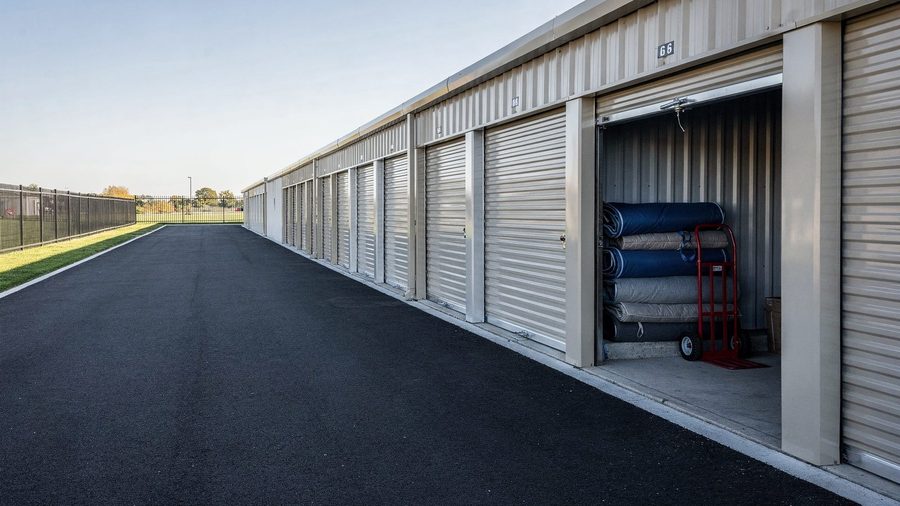
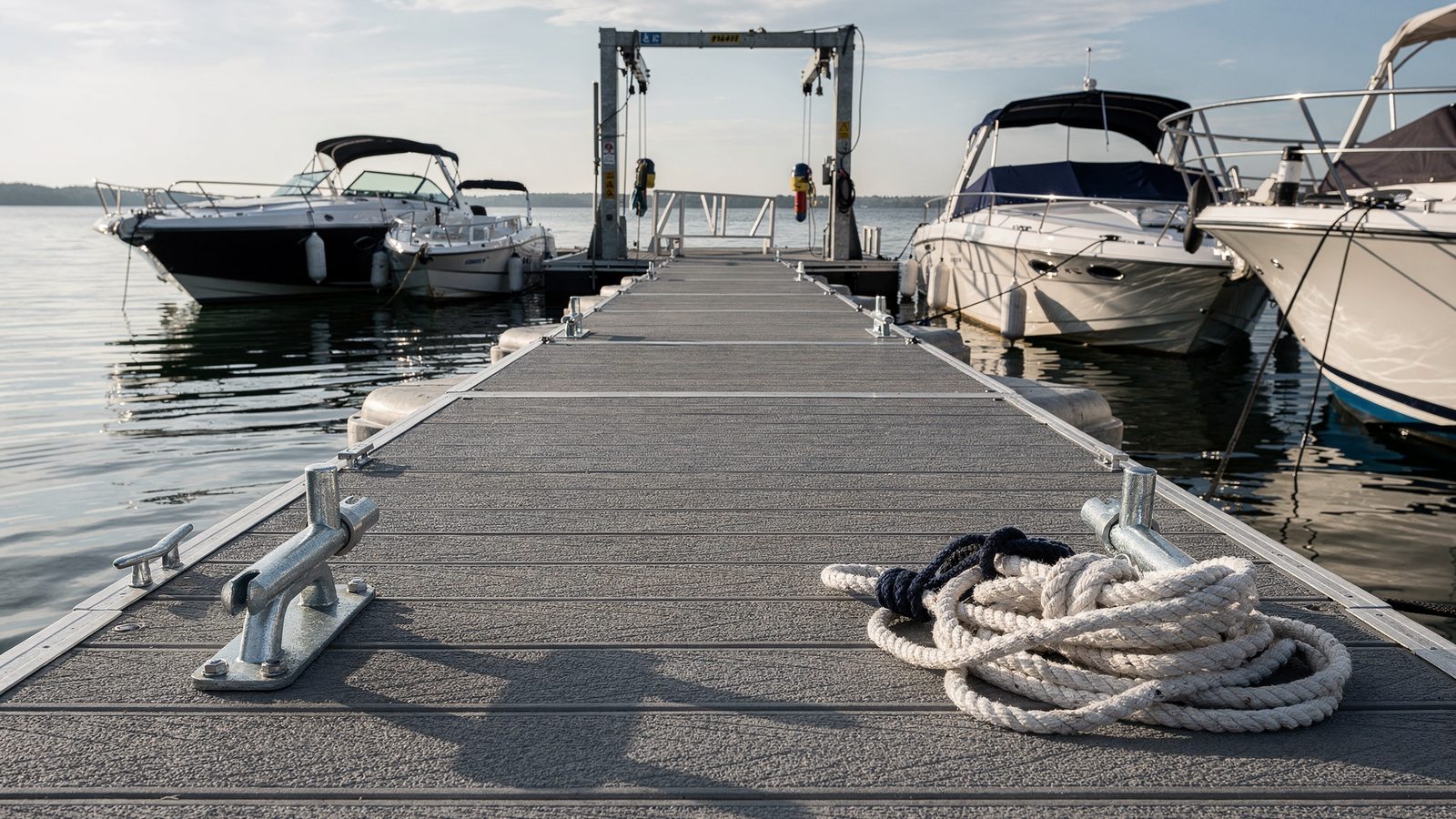
A marina is several businesses sharing a waterfront. Wet slips are rented by length, seasonally or annually. Dry stack storage racks boats indoors and launches them on demand, which is capital intensive to build and highly efficient once running. Fuel is a volume business with thin margins and real environmental obligations. Service and repair is labor and skill dependent. There may also be a restaurant, a ships store, brokerage, and land for parking and trailer storage.
The revenue mix matters more than in most classes because the pieces behave differently. Slip rental is contractual and reasonably predictable. Fuel and service move with boating activity and fuel prices. Restaurant and retail are their own operating businesses with their own margins and their own failure modes. An offering that presents a single blended yield is hiding how differently those lines respond to a soft season.
The physical asset is unusual and it is the part investors underestimate. Docks, pilings, seawalls, bulkheads, dredged basins, utilities run over water and travel lifts are marine infrastructure exposed continuously to water, salt, ice and storms. They have finite lives, they are expensive to replace, and replacement is not simply a construction decision because it may require permits.
Why supply is constrained, in the actual statutes
The constrained supply story is real, and it is worth knowing why rather than accepting it as an assertion.
Section 10 of the Rivers and Harbors Appropriation Act of 1899 prohibits, in the words of the statute quoted by the Environmental Protection Agency, "the creation of any obstruction ... to the navigable capacity of any of the waters of the United States", and bars construction of structures such as wharfs, piers and breakwaters in navigable waters "except on plans recommended by the Chief of Engineers". Authority sits with the Army Corps of Engineers. A dock is a structure in navigable water. It requires authorization.
Separately, Section 404 of the Clean Water Act governs the discharge of dredged or fill material into waters of the United States. Dredging a basin, filling to create upland, or installing certain structures brings a project into that program as well.
Then there is state law. In many coastal and lake states the land beneath navigable water is sovereign submerged land held by the state, and using it commercially requires a lease. Florida, for example, requires a submerged land lease for docking facilities beyond a threshold size. The lease has a term, a rent that can be reset, and conditions.
Stack those together and you have the reason a new competitor cannot simply appear across the bay. You also have the reason to read the permits and the lease before you invest, because they are the foundation the revenue sits on.
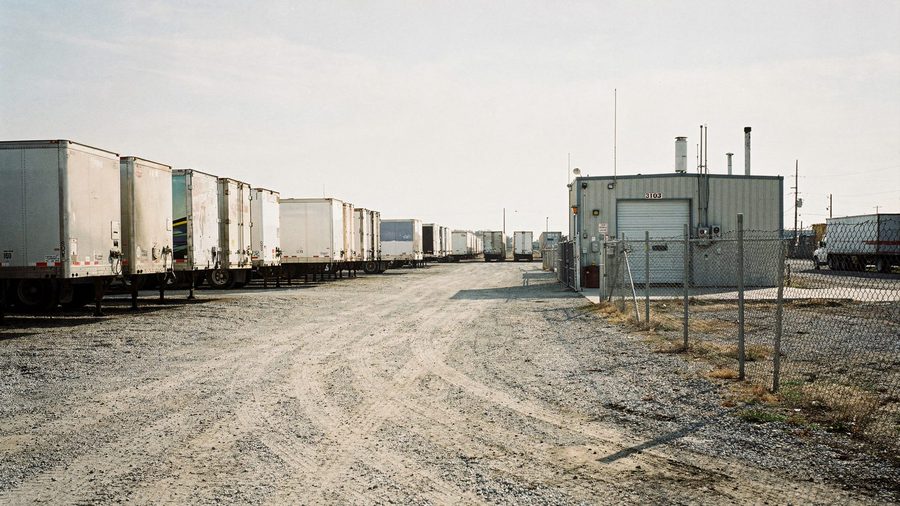
Marinas are not the only class whose scarcity is regulatory rather than physical. Industrial outdoor storage is constrained the same way, by an entitlement a municipality will no longer issue, and it carries the same warning: a permission you did not create is a permission you do not control.
The question almost nobody asks: do you own the water?
In an apartment deal the boundary of what you own is a survey line and it does not move. In a marina the revenue-producing area is frequently over land the operator does not own.
If the slips sit on state submerged land under a lease, then a material share of the income depends on that lease continuing on acceptable terms. Ask for its expiry date. Ask how the rent is calculated and when it resets, because some states index it to revenue or to appraised value, which means a successful marina can face a materially higher ground rent at renewal. Ask what conditions attach, and whether any are currently unmet.
Then ask about the permits themselves. How many slips are actually authorized, as opposed to installed? Does the current configuration match what the permit describes? Are there conditions requiring monitoring, maintenance of navigation aids, or environmental measures? Is there any outstanding notice of violation?
A configuration that has drifted from its permit is a real and common problem. It is discoverable in diligence, it can be expensive to resolve, and it is precisely the sort of thing that surfaces when the asset is next sold or refinanced rather than when it is bought.
The single sentence to put to any sponsor: which parts of the revenue-producing footprint do we own outright, which sit on leased submerged land, and when does that lease expire?
Demand, and the honest version of the supply story
Demand for slips is a function of the boating population within reach, the size mix of the boats they own, and the alternatives available. It is discretionary spending secured by an asset the customer already owns, which makes it stickier than it sounds: a boat owner with a slip and no alternative nearby has limited options.
The trend most cited by sellers is that boats have grown longer while slip inventory has not, so a marina built for a fleet of smaller boats can be reconfigured for fewer, larger, higher-paying vessels. That is a genuine value-add thesis. It is also a permitting question, because changing the configuration of docks in navigable water is a change to a permitted structure.
The honest counterweight to the supply story is that constrained supply cuts both ways. It supports pricing, and it also means you cannot easily expand to meet demand, and the cost of any expansion includes a permitting process with an uncertain timeline and outcome. A model that assumes added slips should be read against the question of whether those slips are permitted.
Local economic context sits in BLS Economy at a Glance and household income in data.census.gov, but neither substitutes for a count of the competing facilities within a reasonable distance and their current occupancy and rates.
What actually goes wrong
Storm damage. These assets sit in the path of the weather by definition. Docks, vessels and shoreline structures are exposed, and insurance in exposed markets has repriced sharply. Ask for the current premium, the renewal date and the deductible structure, including any separate named-storm deductible.
Permit and lease exposure. An expiring submerged land lease, a rent reset, or a configuration that has drifted from what the permit authorizes.
Marine infrastructure at end of life. Seawalls, bulkheads and pilings fail expensively, and replacement can require its own authorization.
Environmental liability. Fuel systems, historic boatyard operations, bottom sediment contamination and stormwater obligations. This class has more environmental surface than any other on this list, and a Phase I is a starting point rather than an answer.
Dredging. Basins silt. Maintenance dredging is a recurring capital item subject to Section 404 and to finding somewhere lawful to place the spoil, which is often the binding constraint.
Operating complexity. Fuel, food, retail and repair are four businesses with four sets of margins, staffing needs and licenses.
Tax treatment, briefly and with a caveat
A marina's basis divides across land, submerged land rights where owned, marine structures, buildings and equipment, and those components do not share a recovery period. The framework is in IRS Publication 946 and the classification exercise is exactly what a cost segregation study performs, following the approach the IRS sets out in its Cost Segregation Audit Techniques Guide.
Because docks, utilities, paving and site work make up so much of the improvement cost, the profile can be favorable relative to a conventional commercial building. Bonus depreciation on qualifying short-life property runs as IRS Notice 2026-11 describes.
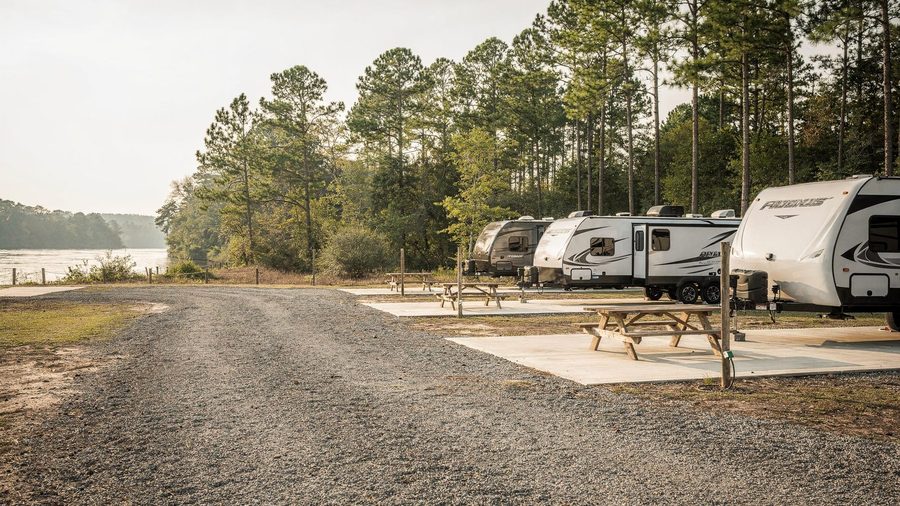
The caveat is the same one that applies to RV parks and it is more pronounced here. A marina that provides substantial services, fuel, repair, food, may not look like passive rental real estate for tax purposes, and the passive activity framework in IRS Publication 925 applies differently to an operating business than to a lease. Take the specific operation to your own CPA rather than accepting a general statement from a sponsor.
Where Grey Oaks stands
We do not sponsor marinas. Grey Oaks buys and operates multifamily. There is no offering here and no track record in the class.
Our honest read is that the supply constraint is the most genuine competitive moat of any class on this list, because it is created by federal statute rather than by market conditions, and moats created by statute do not erode when capital floods in. The offsetting truth is that the same statutes, plus a state lease you may not control, sit underneath your revenue, and this class carries more environmental and physical exposure than anything else we have written up here.
If you evaluate one, weight the permit file and the submerged land lease at least as heavily as the financials. The general sponsor method is how to vet a sponsor, prior offerings are searchable via Form D filings on EDGAR, and what a private placement is and is not is described by the SEC in its material on private placements.
What to ask a marina operator
- Which parts of the revenue-producing footprint do we own, and which sit on leased submerged land?
- When does the submerged land lease expire, how is the rent calculated, and when does it reset?
- How many slips are authorized under the current federal permit, and does the installed configuration match it?
- Are there outstanding permit conditions, notices of violation, or unresolved environmental matters?
- When was the basin last dredged, what did it cost, and where was the spoil placed?
- What is the condition and remaining life of the seawalls, bulkheads and pilings?
- What is the current insurance premium, the renewal date, and the named-storm deductible?
- What share of revenue is slips, dry storage, fuel, service, and food or retail?
What this is built on
- U.S. Environmental Protection Agency, Section 10 of the Rivers and Harbors Appropriation Act of 1899
- U.S. Environmental Protection Agency, Permit program under Clean Water Act Section 404
- Internal Revenue Service, Publication 946, How To Depreciate Property
- Internal Revenue Service, Publication 5653, Cost Segregation Audit Techniques Guide
- Internal Revenue Service, Notice 2026-11, additional first year depreciation under section 168(k)
- Internal Revenue Service, Publication 925, Passive Activity and At-Risk Rules
- U.S. Bureau of Labor Statistics, Economy at a Glance
- U.S. Census Bureau, data.census.gov
- Investor.gov, Private placements under Rule 506(b) and 506(c)
-
No question matches that. Try another word, or ask the one that is not on this list.

Ricardo Sanabria · Grey Oaks Multifamily
Answering
Follow-up questions people ask after reading this.
Why is marina supply constrained?
Because building in navigable water requires federal authorization. Section 10 of the Rivers and Harbors Act of 1899 bars obstructions to navigable capacity and structures such as piers except as authorized, and dredging or filling separately triggers Section 404 of the Clean Water Act. Those are legal barriers, not economic ones.
Ricardo Sanabria, Grey Oaks Multifamily
Do I own the water the slips sit on?
Often not. In many states the land beneath navigable water is state sovereign submerged land, used commercially under a lease with a term, a rent and conditions. Ask for the expiry date and how the rent resets, because some states index it to revenue or value.
Ricardo Sanabria, Grey Oaks Multifamily
What is the single most important diligence item?
The permit file and the submerged land lease, read together. A configuration that has drifted from what the permit authorizes, or a lease approaching expiry or a rent reset, sits underneath the revenue and is discoverable before you invest.
Ricardo Sanabria, Grey Oaks Multifamily
Is a marina passive real estate?
No. Slip rental behaves like a rent roll, but fuel, service, retail and food are operating businesses with different margins, licenses and staffing. The blended presentation in an offering can obscure how differently those lines behave in a weak season.
Ricardo Sanabria, Grey Oaks Multifamily
What about storm risk?
It is structural to the class. These assets sit on the water by definition, insurance in exposed markets has repriced sharply, and the deductible structure matters as much as the premium. Ask specifically about any separate named-storm deductible.
Ricardo Sanabria, Grey Oaks Multifamily
What is dredging and why does it recur?
Basins silt up over time and must be dredged to maintain navigable depth. It is a recurring capital item, it falls under Section 404 where it involves discharge of dredged material, and finding a lawful place to put the spoil is frequently the binding constraint.
Ricardo Sanabria, Grey Oaks Multifamily
Is the tax treatment favorable?
The component mix can be, because docks, utilities, paving and site work are a large share of cost and fall into shorter recovery classes. But a marina providing substantial services may not be treated as passive rental real estate, which is a question for your own CPA on the specific operation.
Ricardo Sanabria, Grey Oaks Multifamily
Does Grey Oaks sponsor marinas?
No. Grey Oaks buys and operates multifamily. We have no offering and no track record in this class. This page is comparative education.
Ricardo Sanabria, Grey Oaks Multifamily
8 questions